

Cybercriminals target employees as the weakest link in an organization’s cybersecurity defenses. For UK small and medium businesses (SMBs), human error is a leading cause of successful cyberattacks. However, these risks can be mitigated with comprehensive employee training.
This blog explores the critical role of employee training in preventing cyberattacks and provides actionable strategies to build a stronger security culture within your organization.
Why Employee Training Is Essential
- Phishing Attacks Are Rampant
- 90% of successful cyberattacks start with a phishing email.
- Employees may inadvertently click on malicious links or download malware-laden attachments.
- Regular training teaches employees to recognize and avoid phishing attempts.
- Compliance and Risk Reduction
- Employee training helps SMBs meet GDPR requirements by educating staff on data protection principles.
- A well-trained team can prevent breaches that might lead to regulatory fines and legal repercussions.
- Building a Security-Conscious Culture
- A strong cybersecurity culture begins with educating employees about their role in protecting company data.
- Employees who are aware of security risks can act as frontline defenders against threats.

Steps to Implement Effective Employee Training
- Conduct Regular Phishing Simulations
- Simulate phishing attacks to test employees’ awareness and understanding.
- Use tools like BullPhish ID to create mock phishing emails.
- Analyze results to identify employees who need additional training.
- Integrate Cybersecurity Training into New Employee Onboarding
- Include cybersecurity training as part of the onboarding process.
- Teach basic security practices from day one.
- Make training materials easily accessible for new hires.
- Offer Ongoing, Regular Training
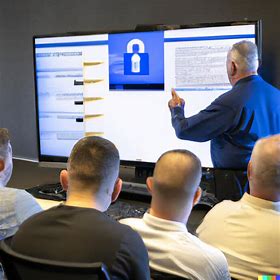
- Host regular cybersecurity workshops and training sessions.
- Cover a range of topics including password security, secure email practices, and safe internet browsing.
- Include real-world scenarios and case studies to make training more engaging.
- Create a Reporting Culture
- Encourage employees to report suspicious emails, links, or attachments without fear of negative consequences.
- Regularly reinforce the importance of these reports during training sessions.
- Use Interactive Training Methods
- Implement e-learning modules that employees can complete at their own pace.
- Use quizzes, simulations, and scenarios to reinforce learning.
- Regularly update training materials to reflect the latest threats and best practices.
Additional Tips for Training Effectiveness
- Leadership Commitment: Ensure top management is actively involved in cybersecurity training.
- Tailored Training for Different Roles: Customize training content based on the role of each employee to ensure relevance.
- Ongoing Assessment and Improvement: Continuously assess training effectiveness through tests, feedback, and tracking security incidents.
- Reward Participation: Recognize and reward employees who excel in cybersecurity training.
- Engage Employees Regularly: Keep training sessions fresh and engaging by updating content and incorporating new topics like social engineering tactics and the latest threats.
The Business Benefits of Employee Training
- Reduced risk of phishing and malware attacks.
- Improved compliance with data protection regulations.
- Enhanced overall security posture.
- Lower employee turnover due to improved morale and sense of security.
- Stronger, more resilient business operations.
Conclusion
Employee training is a crucial component of cybersecurity for UK SMBs. By investing in continuous education and creating a security-conscious culture, you not only protect your business but also empower your team to be vigilant and proactive.
Ready to boost your team’s cybersecurity skills? Book a free consultation today to learn more about our employee training programs and how they can benefit your business.

